How to Buy Used Skydiving Gear Safely
The complete guide: jump count thresholds, what to inspect, what questions to ask sellers, and the red flags that should make you walk away.
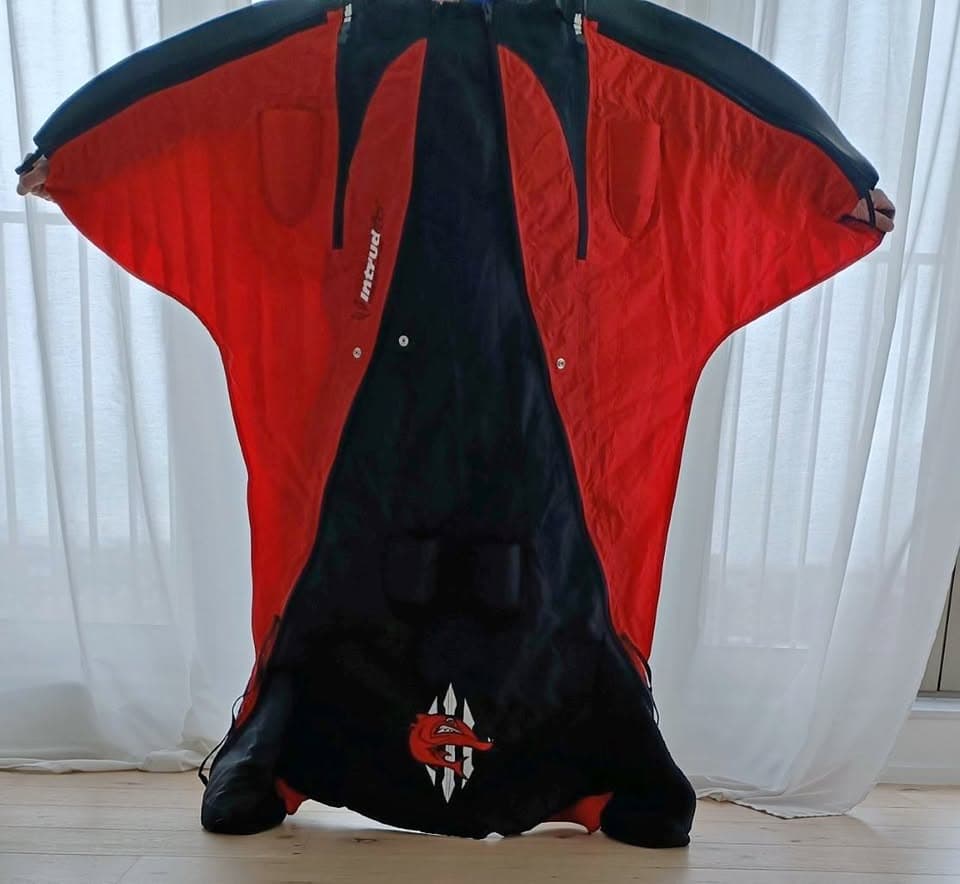
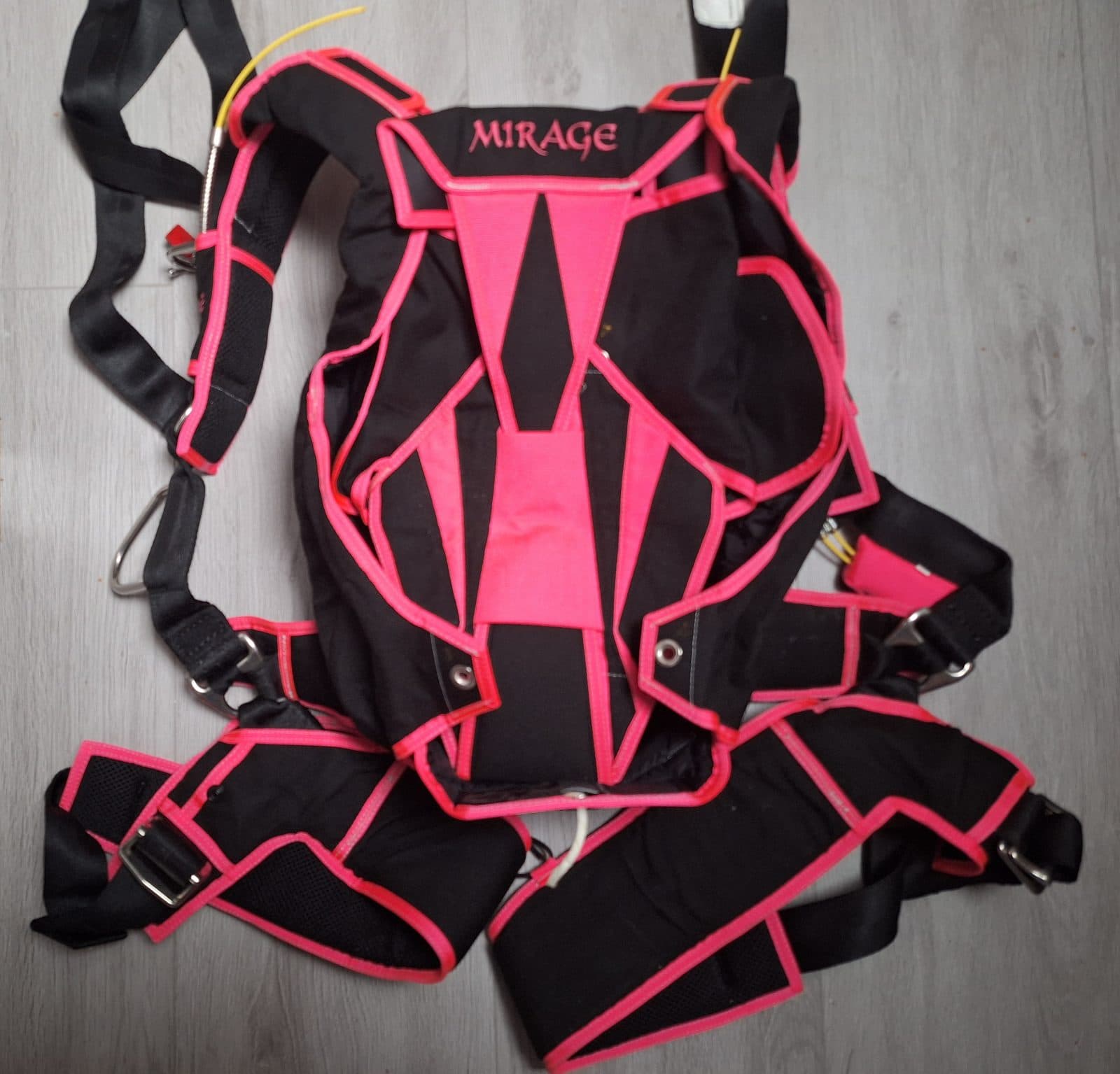
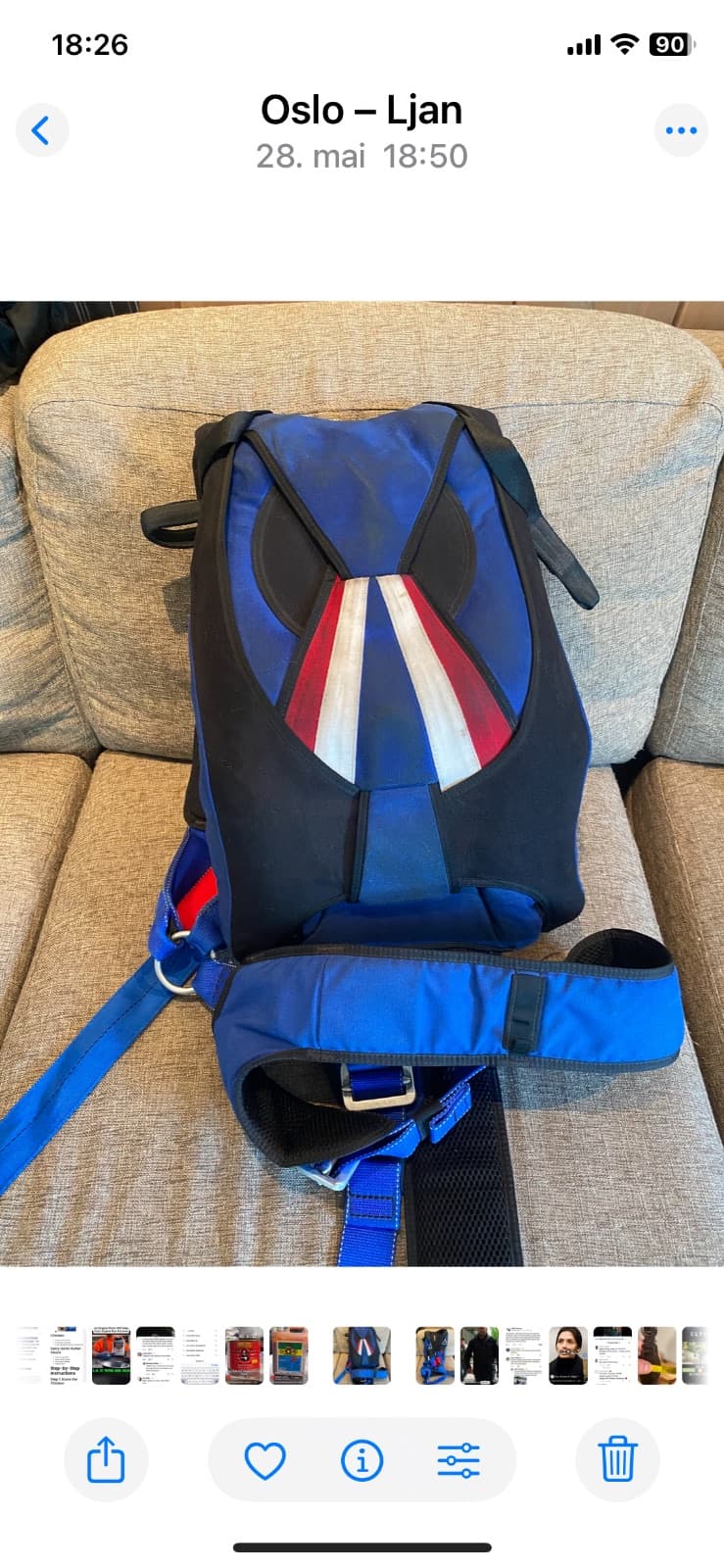
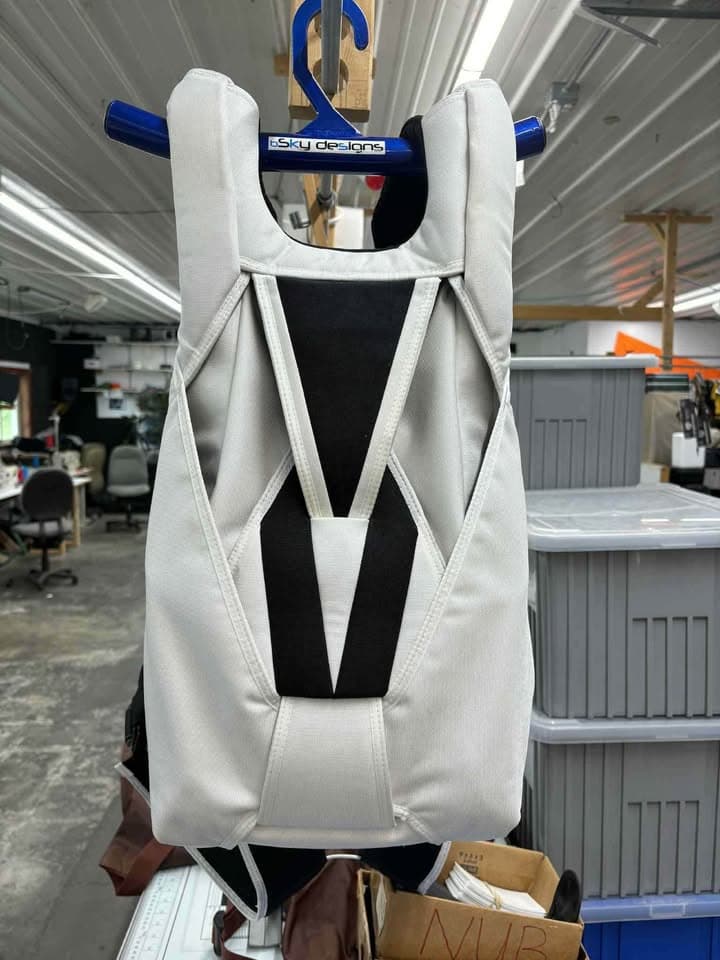
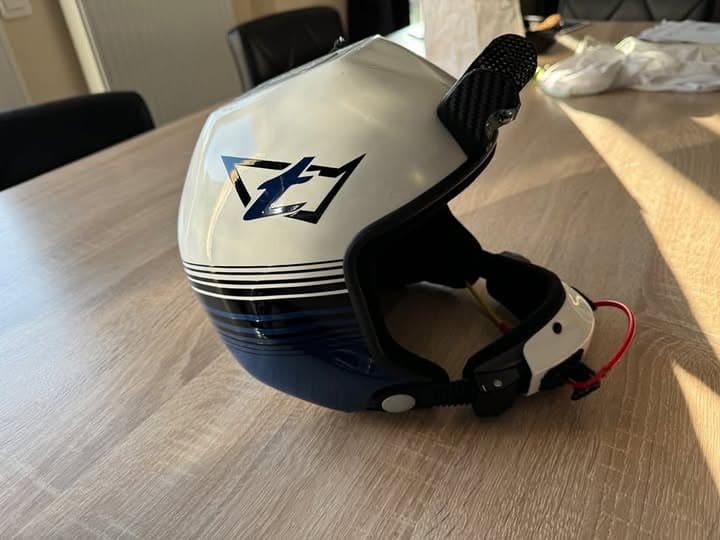
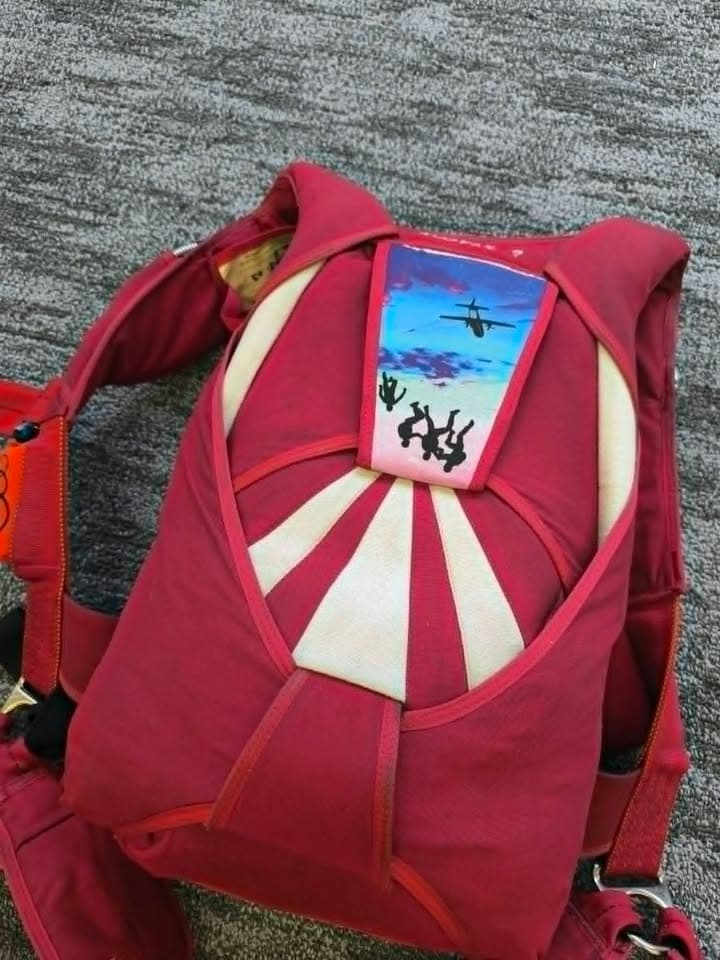
 Listed by DZSpotter.com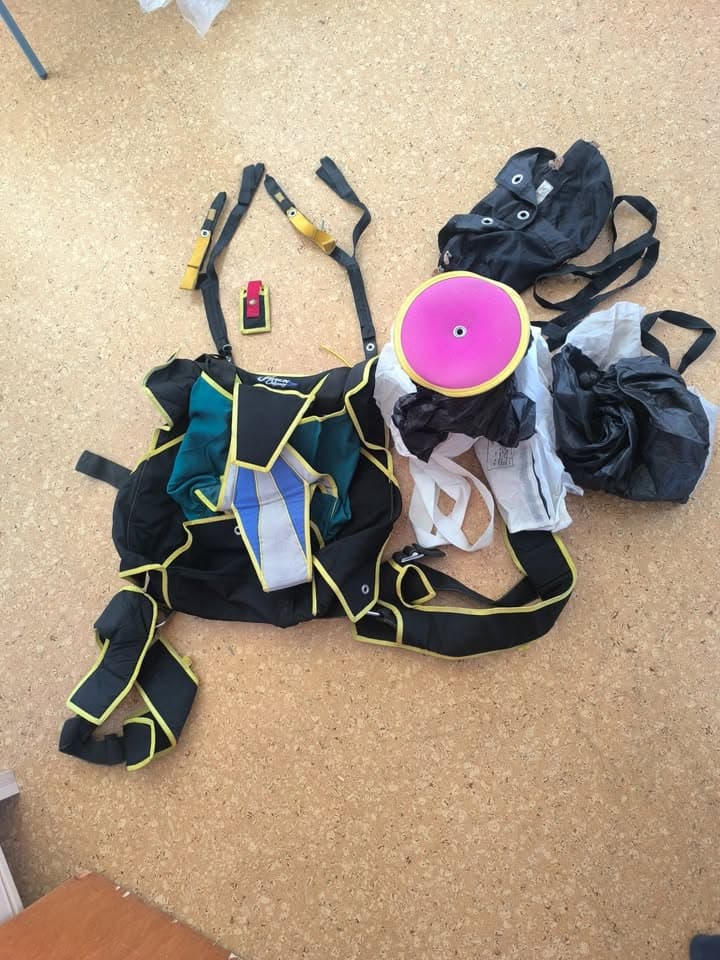
When should you buy your first rig?
The most important rule when buying your first used skydiving rig is: buy to your current skill level, not your aspirations. A canopy that is too small or too aggressively loaded for your jump count is one of the leading causes of serious injury and fatality in skydiving. Upgrade in steps, with guidance from an instructor or coach.
USPA guidance suggests completing your AFF training and attaining at least a B licence (50+ jumps) before purchasing equipment. Most instructors recommend waiting until 100 to 200 jumps, when you have a clearer sense of your discipline preference and your body position has stabilised. British Skydiving's coach structure (FS1, FF1, CP levels) gives you a natural series of milestones to assess readiness.
Wing loading, the ratio of your exit weight (body weight + gear weight) to canopy area in square feet, is the key figure. Most governing bodies recommend a wing loading below 1.0:1 for a first canopy. A 150 lb jumper with 50 lb of gear (200 lb total exit weight) loading a 200 sq ft canopy is at 1.0:1, which is appropriate for an intermediate skydiver. The same jumper on a 170 sq ft canopy is at 1.18:1, which requires meaningful canopy experience to manage safely.
Why Facebook groups are dangerous for buying gear
Facebook skydiving gear groups remain popular but create real risk for buyers. There are no listing standards: sellers can omit the AAD expiry date, skip the reserve repack count, or misrepresent the DOM. There is no accountability mechanism: a seller who misrepresents a rig faces no consequences within Facebook's ecosystem. Payments are often made via bank transfer with no buyer protection.
The DZSpotter marketplace requires structured gear specifications: DOM, total jumps, AAD brand and expiry, reserve repack date, and lineset jumps. Sellers have DZSpotter accounts and can earn phone confirmation, identity verification or a Trusted Seller badge, each shown for exactly what it checked, and the community can flag suspicious listings. A seller who keeps a rig record on DZSpotter can let you read the service history yourself instead of describing it to you. For safety-critical second hand skydiving equipment, that structure and accountability is not a luxury: it is a minimum safety standard.
The rigger inspection: non-negotiable
Any used skydiving rig you intend to purchase must be inspected by a certificated parachute rigger before you agree to buy it, and inspected again before you jump it. This is not optional. A rigger will check the closing loops, AAD cutter compatibility and installation, reserve repack date and condition, container hardware, harness stitching, and overall airworthiness. Ask the seller for the reserve data card at the same time, and it is worth knowing what a packing data card has to record before you read one, because the legal minimum is four items and the rest of what you find on it is convention. This inspection typically costs £60 to £120 in the UK and $50 to $120 in the US.
If a seller refuses to allow a pre-purchase rigger inspection, do not buy the rig. This refusal is the single biggest red flag in any used gear transaction. A legitimate seller with a genuinely airworthy rig has nothing to lose from an inspection.
Questions to ask every seller
What is the container DOM (date of manufacture) and total jumps on the container?
What AAD is fitted: brand, model, manufacture year, and service history? Can I see the documentation card?
When was the reserve last repacked, and how many total repacks does the data card show?
What is the total jump count on the main canopy, and when were the lines last replaced or checked?
Has the reserve ever been deployed in an emergency? If so, what happened and who inspected it after?
Has the container been repaired? If so, by which rigger, and is there documentation?
Are you willing for a rigger of my choice to inspect the rig before sale?
Paying safely
Two payment methods give you a route to get your money back. Everything else does not, and the difference only becomes visible on the day the gear does not arrive.
PayPal Goods and Services
Gives you a buyer protection claim if the item never arrives or is not as described. Pay the fee. It is the price of the protection, and it is a fraction of what a rig costs.
Paying in person, after inspection
You have the gear before the money leaves your hands. Better still if a rigger has looked at it first.
Ask for a dated photo before you pay at a distance
Ask for a photograph of the item with today's date written on a piece of paper next to it. A real seller does it in thirty seconds. Somebody who does not have the gear cannot do it at all.
The one rule that matters most
If a seller refunds a payment you made through a protected method and then asks you to send a bank transfer instead, stop. It does not matter what reason they give, and the usual one is that their payment account has been frozen or limited. Undoing the protected payment is the point of the exercise: it moves the loss from them to you. This exact pattern has been reported on DZSpotter and it is one of the most common used gear scams there is.
A bank transfer has no buyer protection. If the gear never arrives, your only route back is a fraud claim with your own bank. Banks do sometimes recover the money, but it takes time and it is not guaranteed. Only send a bank transfer to someone you have met, or whose identity you have independently confirmed.
Gift cards, cryptocurrency, Western Union and MoneyGram cannot be recovered at all. No legitimate private seller of used skydiving gear needs to be paid that way. A request for any of them ends the conversation.
DZSpotter is not a party to your transaction. We do not process the payment, we do not hold the money, and we cannot recover funds sent directly from one user to another. Messages sent through DZSpotter are automatically checked for these payment patterns and both people in the conversation are warned when one is found, but a warning is not a guarantee and the decision to pay is always yours.
All of this, plus the seller side that nothing else on the platform covers, is on buying and selling gear safely. That is the short version, written for somebody who is mid transaction.
Red flags: walk away if you see these
- Seller refuses a pre-purchase rigger inspection
- No documentation: no DOM, no data card, no logbook, no service records
- AAD is expired, in its service window, or has less than 2 years remaining
- Reserve repack is overdue (more than 180 days since last repack)
- Price is significantly below market rate, this almost always means a hidden problem
- Seller cannot explain or verify the jump history
- Closing loops are visibly worn or frayed
- Harness stitching shows wear, especially at load-bearing points
- Canopy has unrepaired damage or obvious UV degradation
- Seller is pressuring you to decide quickly or discouraging inspection
Frequently asked questions
How much does a used skydiving rig cost?
A complete used skydiving rig (container, main canopy, reserve, and AAD) typically costs between £2,500 and £7,000 in the UK, or $3,000 to $9,000 in the US. Price depends on manufacturer, age, total jumps on the container, the canopies included, and most importantly how much remaining life the AAD has. A budget rig with an almost-expired Cypres and an older container might cost £2,000 to £3,000. A premium rig from a top manufacturer with a young Vigil AAD and quality canopies in excellent condition might reach £6,000 to £8,000. Always benchmark against current listings on the DZSpotter marketplace and factor in any upcoming service costs.
Is it safe to buy second hand skydiving gear?
Yes, provided you follow the correct process. Used skydiving gear that has been properly maintained, documented, and inspected by a certificated parachute rigger is every bit as safe as new gear. The risk comes from buying undocumented, uninspected, or incorrectly maintained equipment, often from unverified sellers on Facebook or general classifieds. Before jumping any used gear, have it inspected by a certificated rigger (FAA Senior/Master Rigger in the US, British Skydiving certificated rigger in the UK). This inspection typically costs £60 to £120 and is non-negotiable for safety-critical equipment.
How many jumps before I should buy my own rig?
USPA recommends that student skydivers complete their AFF training and achieve at least a B licence (50+ jumps) before purchasing their own equipment. British Skydiving recommends similar thresholds. In practice, most instructors suggest waiting until you have at least 100 to 200 jumps and have settled on a clear direction for your skydiving (belly, freefly, canopy piloting, etc.) before buying. Your first rig should match your current skill level, not your ambitions: a canopy that is too small or too fast for your jump count is a leading cause of canopy-related fatalities. Consult your instructor and coach before making any purchase.
What should I check before buying a used parachute?
Before buying any used parachute system, check: (1) Container DOM (date of manufacture) and total jumps; (2) AAD manufacture date and remaining service life, verify with the original documentation card; (3) Reserve DOM, repack history, and repack count (maximum 40 repacks for most manufacturers); (4) Main canopy lineset jumps and date of last line replacement; (5) All closing loops for wear; (6) Any repairs, must be performed by a certificated rigger and documented; (7) Harness condition, including stitching, rings, and closing loops. Arrange for a certificated rigger to inspect the rig before you agree to purchase. Any seller who refuses to allow a pre-purchase inspection should be avoided.
How long does a skydiving AAD last?
The total lifespan of a skydiving AAD depends on the manufacturer. Cypres (Airtec) units last 12.5 or 15.5 years from the date of manufacture (depending on model). Vigil (Aviacom) units last 20 years. M2 (Parasport) units last 15.5 years. All three require periodic servicing: Cypres requires service at 4 and 8 years (or 6 and 11 years for newer models); Vigil requires service every 4 years; M2 requires service every 4 years. An AAD can only be serviced by its manufacturer: it cannot be repaired or extended beyond its stated lifespan. When buying a used AAD, always demand the original documentation card to verify the manufacture date and service history.
Ready to browse safely?
Browse current used skydiving gear listings on the DZSpotter marketplace: structured specs, named seller verification tiers.