Used Reserve Canopies
The most safety-critical component in any skydiving system. What to check, what limits apply, and why DOM matters more here than anywhere else.
4 live listings in this category right now
 Listed by DZSpotter.com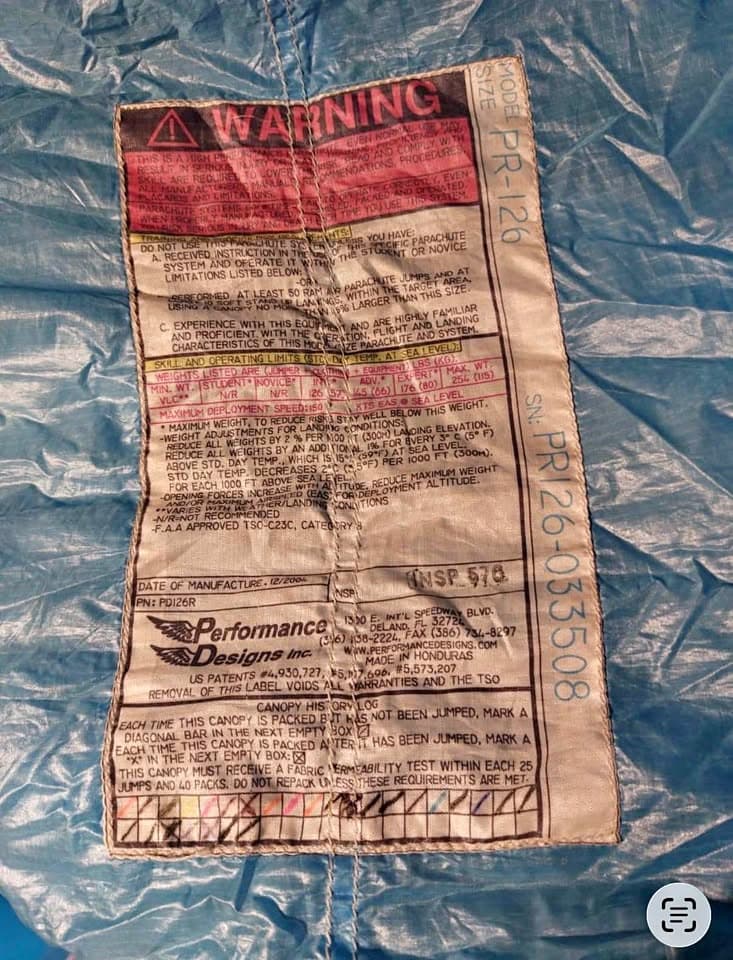
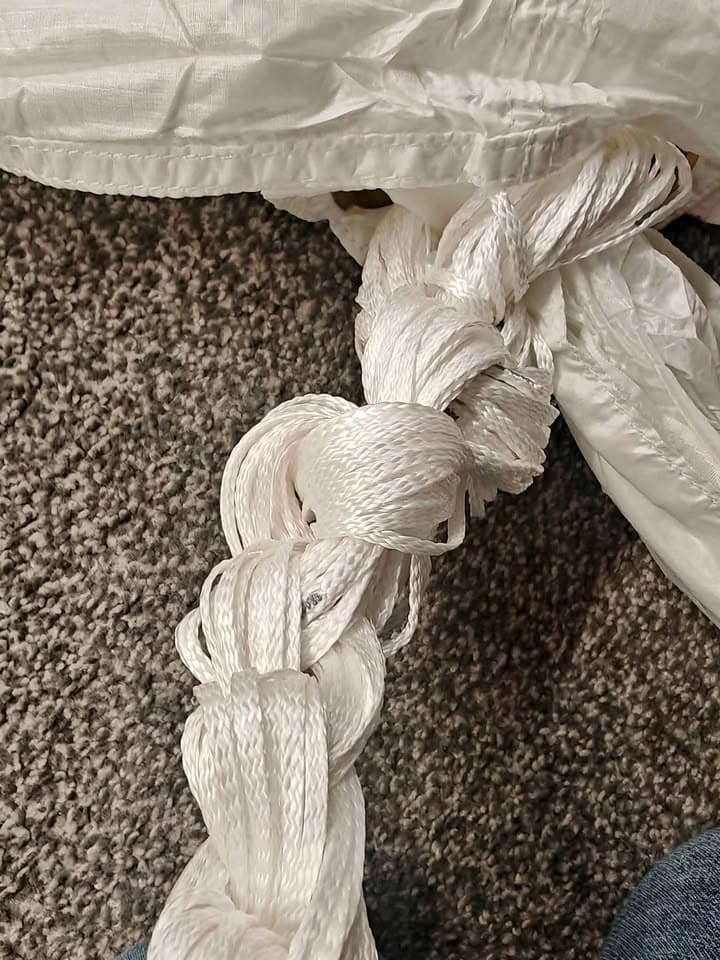

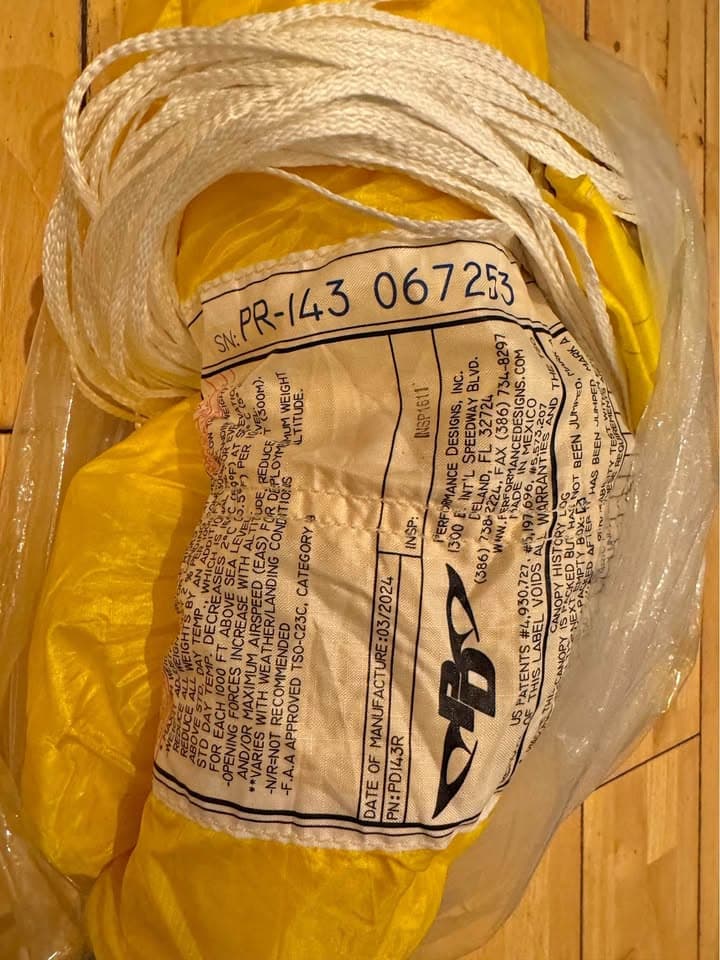
Reserve canopies are life-saving devices. They are subject to stricter airworthiness requirements than main canopies. Any reserve you buy used must be inspected and repacked by a certificated parachute rigger (FAA Senior or Master Rigger in the US; British Skydiving certificated rigger in the UK) before you can jump it.
TSO certification: what it means
All airworthy skydiving reserves must hold a Technical Standard Order (TSO) certification from the FAA (or equivalent from EASA in Europe). The relevant standards are TSO-C23d (the standard applicable to most reserves currently in service) and the newer TSO-C23f. TSO-C23f introduces updated deployment performance standards and is required for new reserves manufactured after its effective date.
When buying a used reserve, verify the TSO marking on the data card or reserve itself. Any reserve without a valid TSO cannot legally be used as a reserve in most jurisdictions, regardless of its apparent condition.
The 40-repack limit and 180-day repack cycle
Most reserve manufacturers impose a 40-repack lifetime limit. Each time a reserve is repacked (whether or not it was deployed), the rigger records the repack on the data card. Once a reserve reaches 40 repacks, it is typically retired, regardless of age, jump count, or apparent condition. Always check the repack card before purchasing any second hand reserve.
The 180-day repack cycle is a regulatory requirement: reserves must be repacked by a certificated rigger every 180 days, whether jumped or not. A reserve that has not been repacked within 180 days cannot legally be used. Factor in the cost of an immediate repack when pricing a second hand reserve.
Unlike mains, the date of manufacture (DOM) matters more for reserves than total deployments. Fabric and risers age regardless of use. Most manufacturers recommend retiring reserves after 20 years from DOM, and many DZs and governing bodies have stricter policies. A reserve with a 1998 DOM has very limited remaining service life regardless of its jump history.
Deployment history and LPV reserves
Ask whether the reserve has ever been deployed. A reserve that was deployed in an emergency (as opposed to during a repack or test) may have been subjected to unusual stress, though properly inspected post-deployment reserves are often perfectly airworthy. A rigger should always review the deployment history and inspect for any wear, snags, or damage before approving the reserve for service.
LPV (low-porosity vented) reserves pack down to a smaller volume than equivalent ZP reserves, which is useful when fitting a reserve into a tighter container. If you are sizing a container for a specific reserve, verify both the packed volume and the compatibility with your specific container model: manufacturers publish this data.
Common questions about used reserve canopies
Is it safe to buy a used reserve canopy?
Yes, provided a rigger inspects it and its history stacks up. A reserve with few or no deployments and a clean repack history is a normal second hand purchase. DZSpotter flags reserve canopies of an age where the remaining service life needs a rigger to make a judgement.
How often must a reserve be repacked?
Repack cycles are set by your national governing body, and 180 days is the common cycle in many countries including the UK and the US. A used reserve does not need to be in date to be sold, but it must be repacked by a rigger before it is jumped. Factor the cost of that repack into the price you offer.
What should I ask a seller about a used reserve?
Ask for the date of manufacture, the number of repacks, any deployment history and the packing data card if they have it. A reserve can be tired without visible damage, so its paperwork matters more than its looks. Your rigger can verify what the seller tells you during the inspection.
Browse current listings
View used reserve canopies listed on the DZSpotter marketplace.
Browse other categories