Used Skydiving Containers and Harnesses
Harness sizing, canopy volume matching, RSL and MARD features, and what to look for in a second hand skydiving container.
14 live listings in this category right now
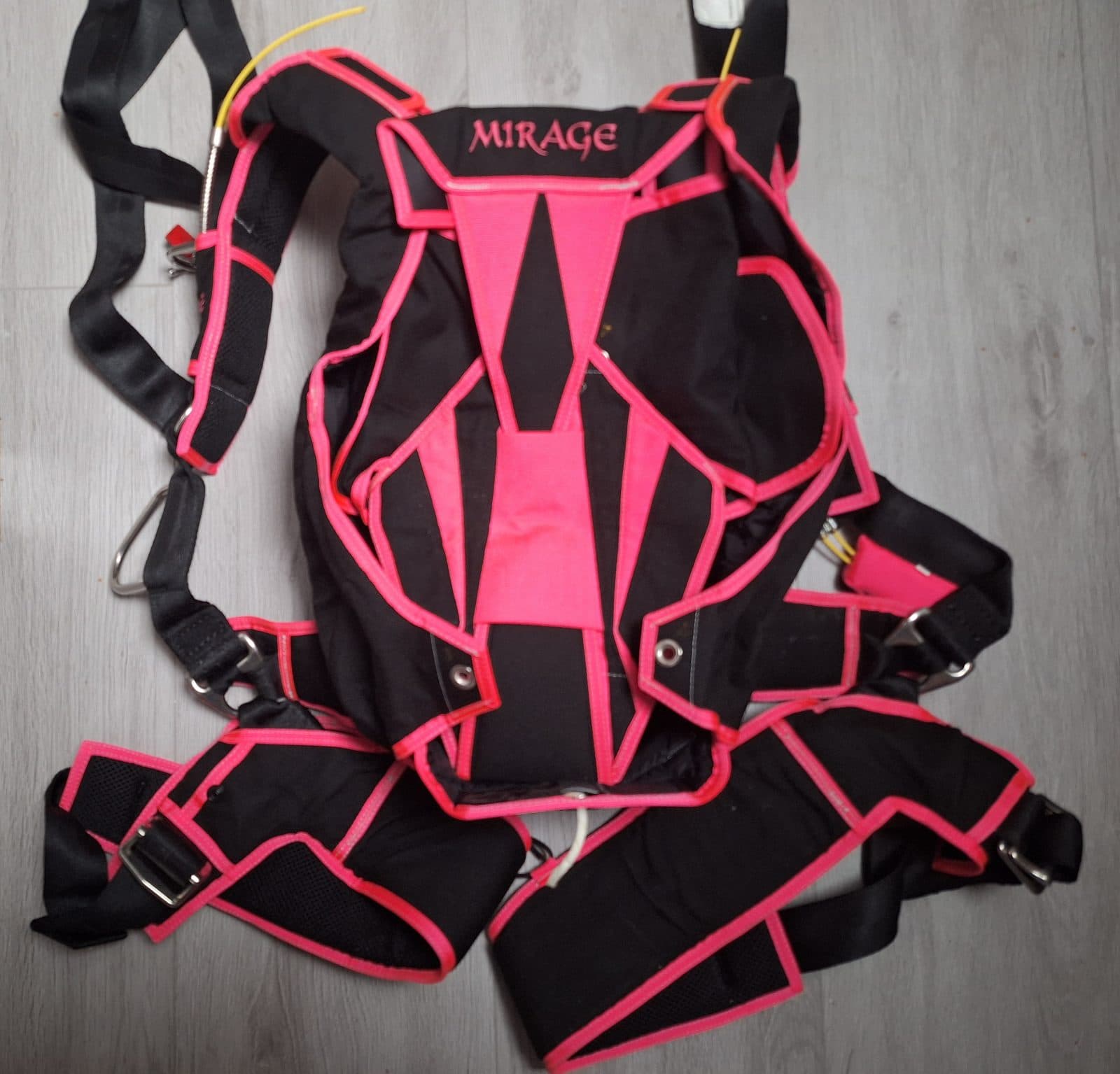
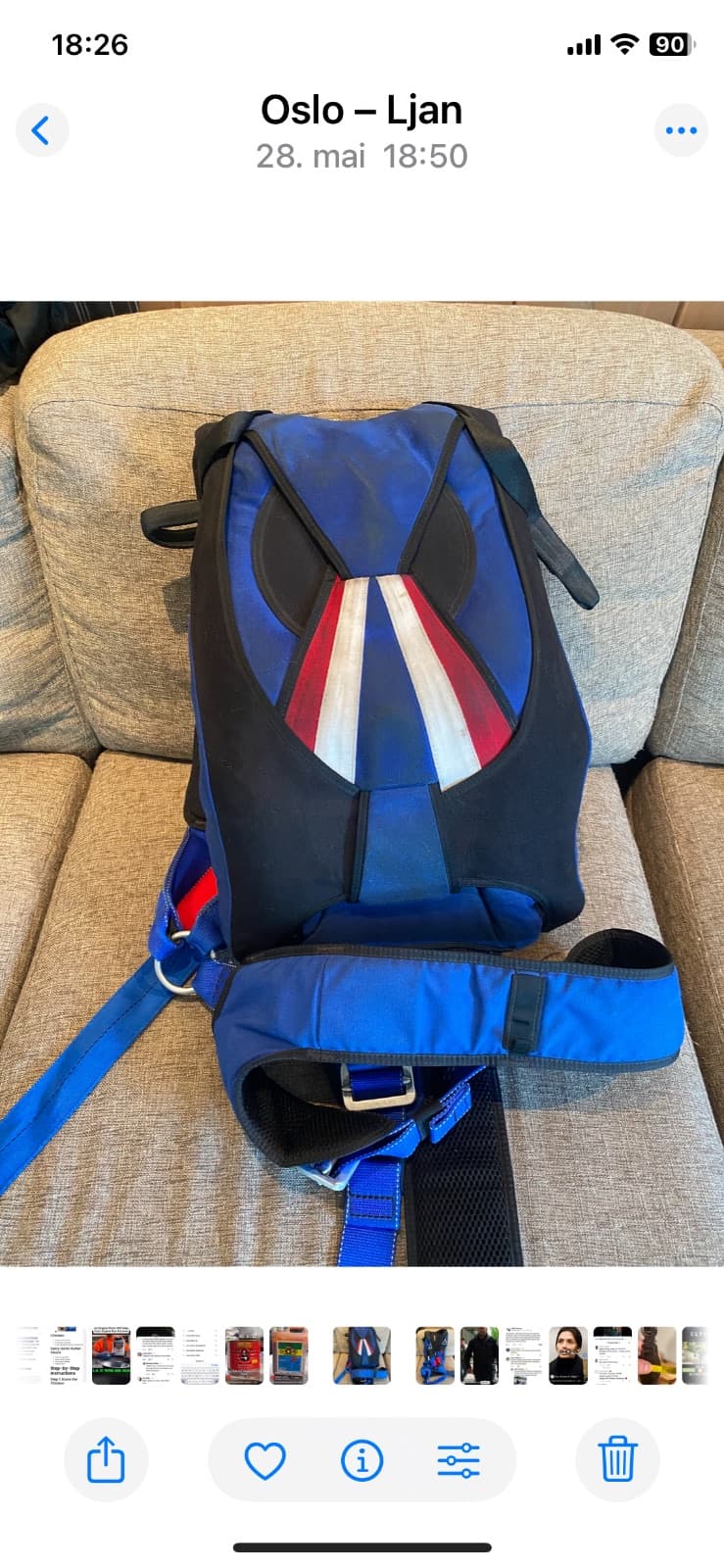
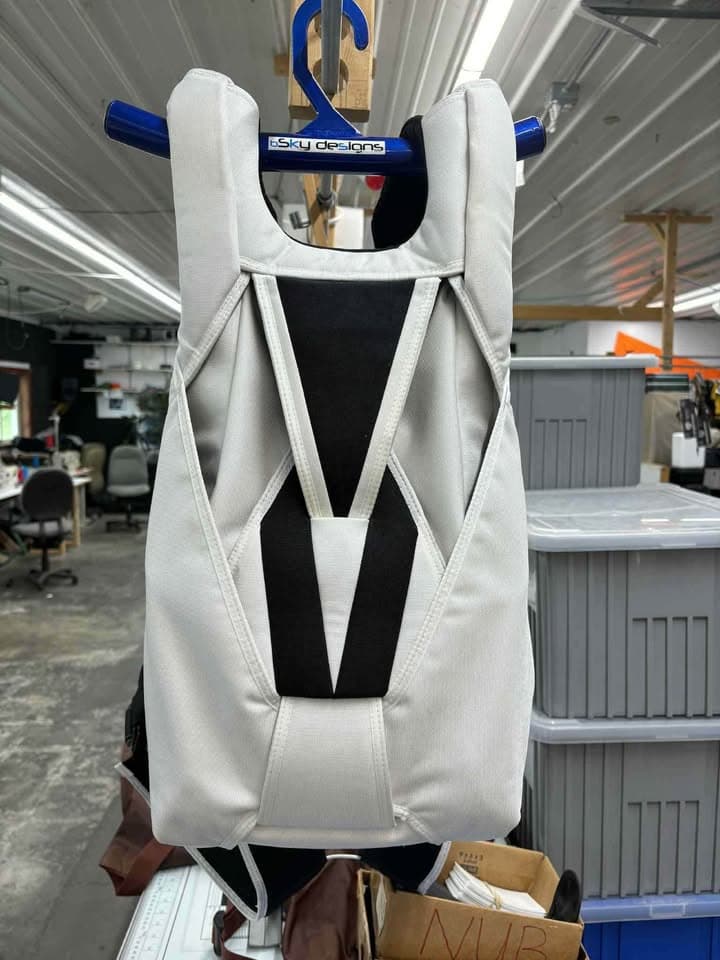
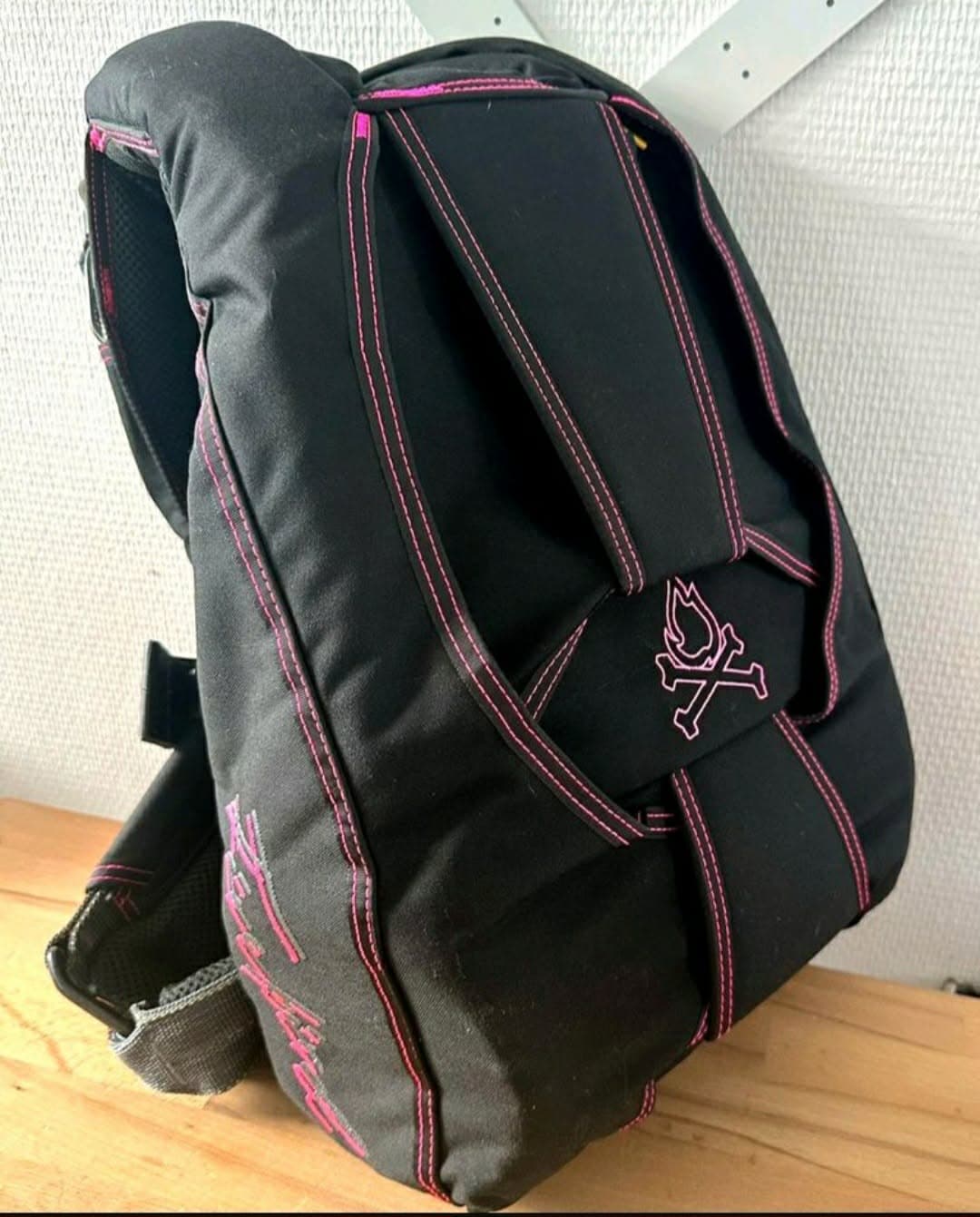
 Listed by DZSpotter.com
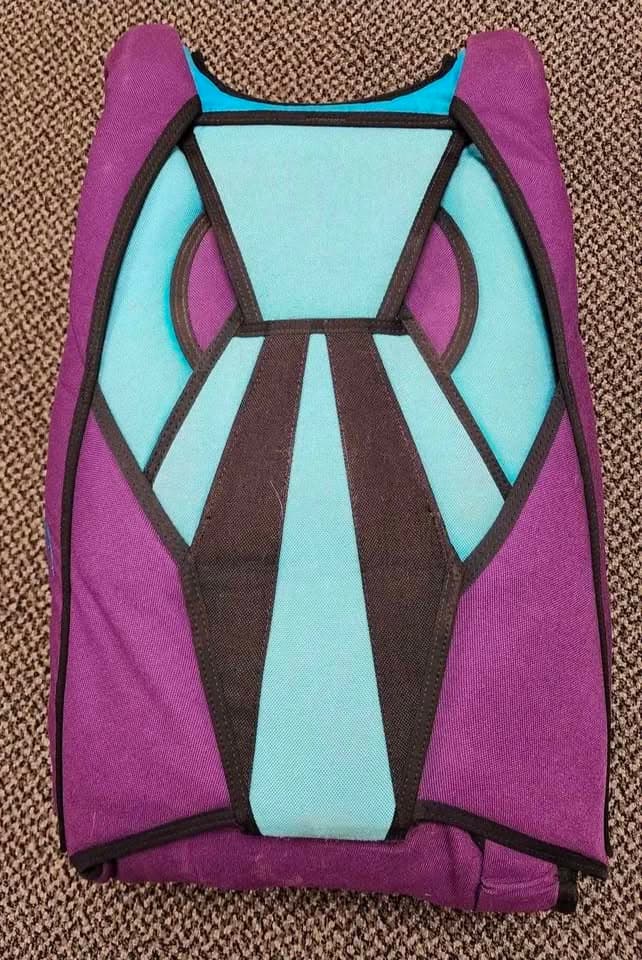
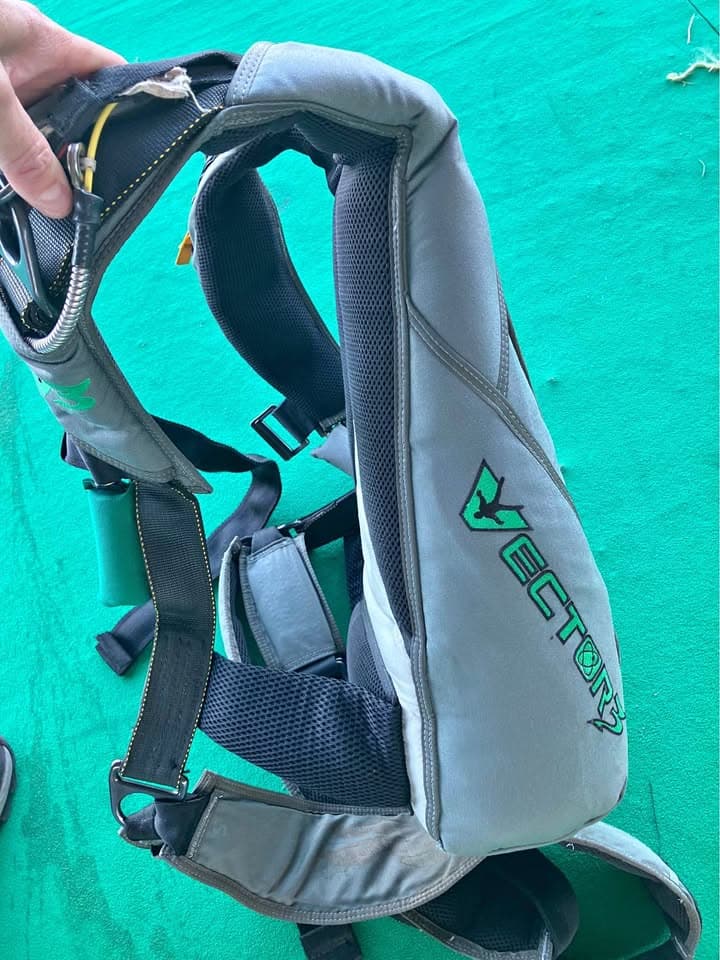
Harness sizing: the most critical measurement
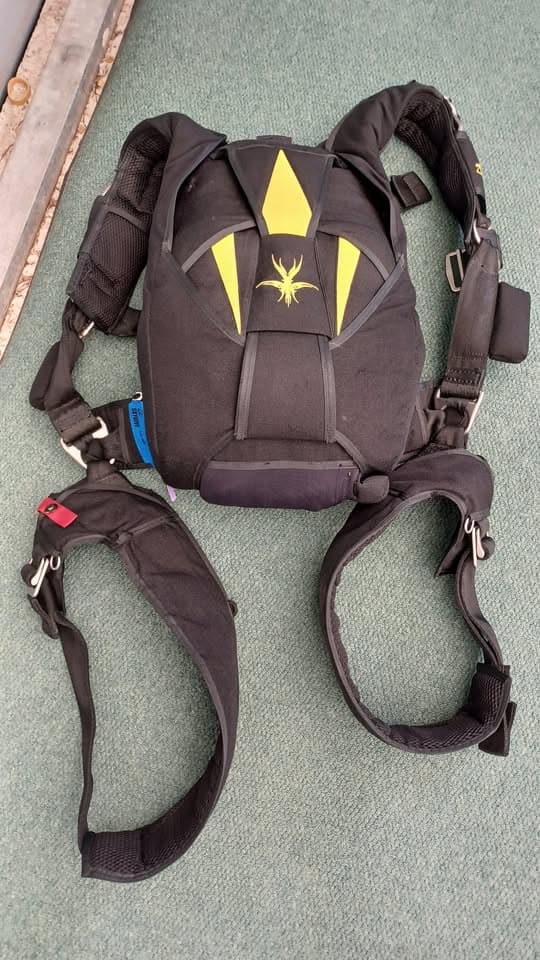
The most important factor when buying a used skydiving container is whether the harness fits your body. A harness that doesn't fit correctly is a safety risk: too loose and it can shift during deployment; too tight and it restricts movement and can cause injury. The key measurements are:
- MLW (Main Lift Web)
The distance from shoulder ring to leg strap ring. This is the single most important measurement for harness fit. Measured with the chest strap undone and the harness laid flat.
- Laterals
The horizontal straps connecting the main lift webs across the back and front. Too wide = harness slides off shoulders; too narrow = restriction.
- Chest strap
Connects the two front risers. Correct chest strap width keeps the risers parallel to your neck for stable flight and clean deployment.
- Leg straps
Must be snug but not circulation-restricting. Leg loops are measured around the thigh.
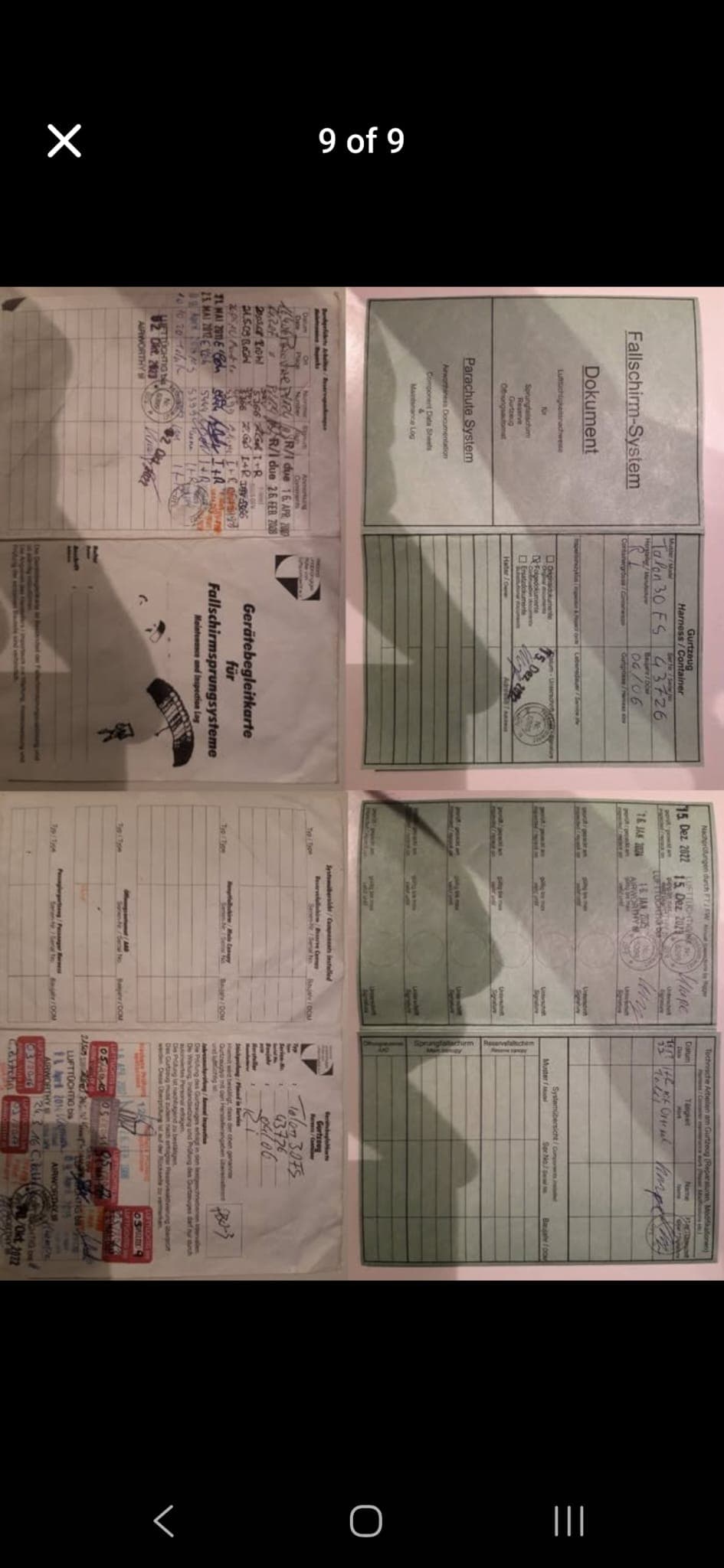
Harnesses can be altered by a certificated rigger, but large alterations (more than 2 to 3 inches on the MLW) can be expensive and change the geometry of the entire system. If a used container's harness measurements are significantly off, it may be more cost-effective to find one that fits better. Any alteration is work a rigger has done to the container, so it is worth asking whether the seller keeps a service and ownership record that stays with the rig and whether the alteration is on it.
Main and reserve tray volumes
Every container is built around specific canopy volumes. Before purchasing any used skydiving container, verify that your intended main and reserve canopies are compatible in terms of packed volume. Too small a main tray and the closing flaps won't close properly; too large and the main may not deploy cleanly. Reserve tray volume must match the reserve exactly: manufacturer guidelines are the reference here.
Most manufacturers publish volume compatibility charts. Your rigger can also advise based on pack jobs. If your canopy is technically compatible but packing it is a constant struggle, the tolerances are too tight for safe use.
RSL, MARD and freefly features
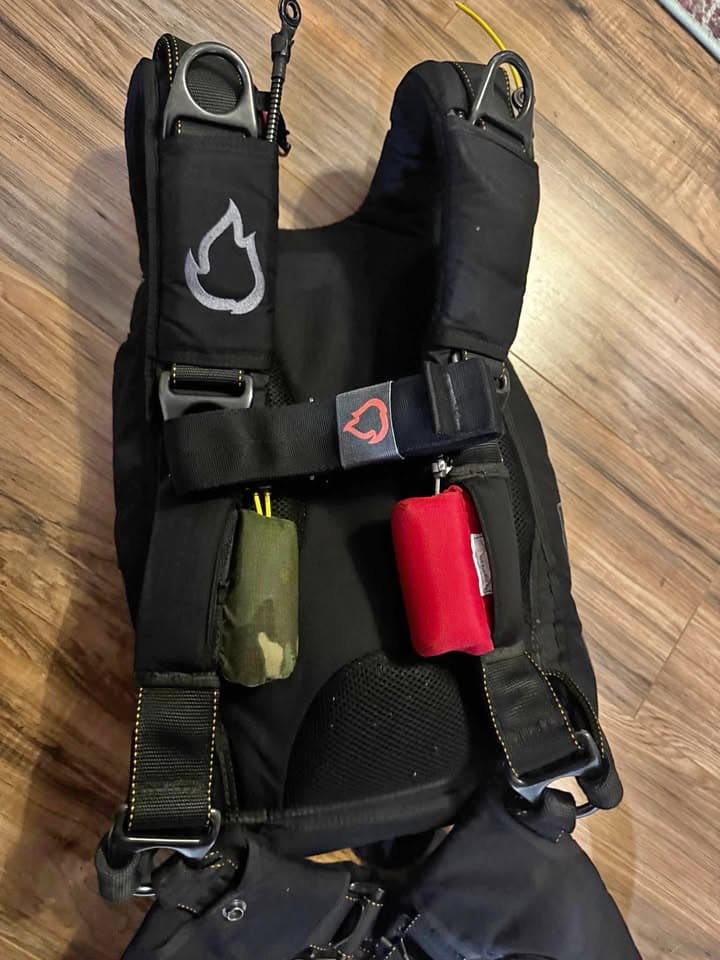
An RSL (Reserve Static Line) connects the main risers to the reserve ripcord: if you cut away your main, the RSL pulls the reserve ripcord automatically. All modern containers accept RSL; however it can be removed if desired for specific disciplines. A MARD (Main Assisted Reserve Deployment) device goes further: the departing main canopy actively deploys the reserve. The most widely used MARD systems are the UPT Skyhook and the Mirage Trap. MARD systems are widely considered best practice for most jumpers.
If you jump in freefly orientations, look for containers with tuck tabs on the BOC pocket, magnetic closing flaps (to prevent premature opening in strong relative wind), and dynamic corner closing loops. Wingsuit-compatible containers have specific BOC placement and riser cover geometry, so verify the container is listed as wingsuit-friendly before buying for that discipline.
Common questions about used containers
How do I know a used container will fit me?
The harness measurements matter more than any size label, and the main lift web measurement is the critical one. DZSpotter container listings must include the main lift web measurement or a height fit range, plus both tray volume ranges. A rigger can confirm fit, and many harnesses can be resized by the manufacturer.
Will my canopies fit a given container?
Every container has a main tray and a reserve tray volume range, and your canopies need to sit inside those ranges. Low bulk canopies pack smaller than their stated size, which changes the answer. Container listings on DZSpotter carry the tray ranges so you can check before you enquire.
How old is too old for a used container?
Containers have no fixed expiry, but many manufacturers advise retirement after roughly 20 to 25 years, and older harnesses may lack modern safety options such as an RSL or a MARD. Check the date of manufacture stamped inside the container. A rigger can judge the webbing and stitching condition properly.
Browse current listings
View used containers and harnesses on the DZSpotter marketplace.
Browse other categories